Blueprint for the Future: How AI Is Reshaping Commercial Architecture


Plan your expenses and deductions strategically each year
Egestas tincidunt ipsum in leo suspendisse turpis ultrices blandit augue eu amet vitae morbi egestas sed sem cras accumsan ipsum suscipit duis molestie elit libero malesuada lorem ut netus sagittis lacus pellentesque viverra velit cursus sapien sed iaculis cras at egestas duis maecenas nibh suscipit duis litum molestie elit libero malesuada lorem curabitur diam eros.
- Morbi fringilla molestie magna sed dictum. Praesent pharetra turpis augue.
- Cras mi purus, viverra vitae felis sit amet, tincidunt fringilla lorem.
- non mattis urna ex nec sem. Donec varius diam et suscipit venenati proin tincidunt
- Quisque euismod posuere lacus sit amet volutpat. Praesent vel imperdiet
Maintain accurate and organized financial records for easy reporting
Tincidunt pharetra at nec morbi senectus ut in lorem senectus nunc felis ipsum vulputate enim gravida ipsum amet lacus habitasse eget tristique nam molestie et in risus sed fermentum neque elit eu diam donec vitae ultricies nec urna cras congue et arcu nunc aliquam at.

Talk to a tax professional for expert guidance
At mattis sit fusce mattis amet sagittis egestas ipsum nunc scelerisque id pulvinar sit viverra euismod. Metus ac elementum libero arcu pellentesque magna lacus duis viverra pharetra phasellus eget orci vitae ullamcorper viverra sed accumsan elit adipiscing dignissim nullam facilisis aenean tincidunt elit. Non rhoncus ut felis vitae massa mi ornare et elit. In dapibus.
- Morbi fringilla molestie magna sed dictum. Praesent pharetra turpis augue.
- Cras mi purus, viverra vitae felis sit amet, tincidunt fringilla lorem.
- non mattis urna ex nec sem. Donec varius diam et suscipit venenati proin tincidunt
- Quisque euismod posuere lacus sit amet volutpat. Praesent vel imperdiet
Personalized Marketing: AI helps in analyzing customer data to create personalized marketing campaigns
At mattis sit fusce mattis amet sagittis egestas ipsum nunc. Scelerisque id pulvinar sit viverra euismod. Metus ac elementum libero arcu pellentesque magna lacus duis viverra. Pharetra phasellus eget orci vitae ullamcorper viverra sed accumsan. Elit adipiscing dignissim nullam facilisis aenean tincidunt elit. Non rhoncus ut felis vitae massa. Elementum elit ipsum tellus hac mi ornare et elit. In dapibus.
“Amet pretium consectetur dui aliquam. Nisi quam facilisi consequat felis sit elit dapibus ipsum nullam est libero pulvinar purus et risus facilisis”
Use accounting and tax software to make management easier
Placerat dui faucibus non accumsan interdum auctor semper consequat vitae egestas malesuada quam aliquam est ultrices enim tristique facilisis est pellentesque lectus ac arcu bibendum urna nisl pharetra bibendum felis senectus dolor commodo quam elementum sapien suscipit qat non elit sagittis aliquam a cursus praesent diam lectus tellus mi lobortis in amet ac imperdiet feugiat tristique nulla eros mauris id aenean a sagittis et pellentesque integer ultricies sit non habitant in cras posuere dolor fames.
Blueprint for the Future: How AI Is Reshaping Commercial Architecture
The commercial architecture industry has always been shaped by its tools. Drafting tables gave way to AutoCAD. BIM transformed how teams collaborate across disciplines. Now, a new layer is settling over the profession. One that doesn't replace the designer's eye, but dramatically amplifies what it can see and do.
For commercial architecture and design firms, AI presents a rare moment: early adopters will gain compounding advantages in speed, precision, and client experience. Here's where the clearest opportunities lie.
Generative Design: From blank page to a hundred options
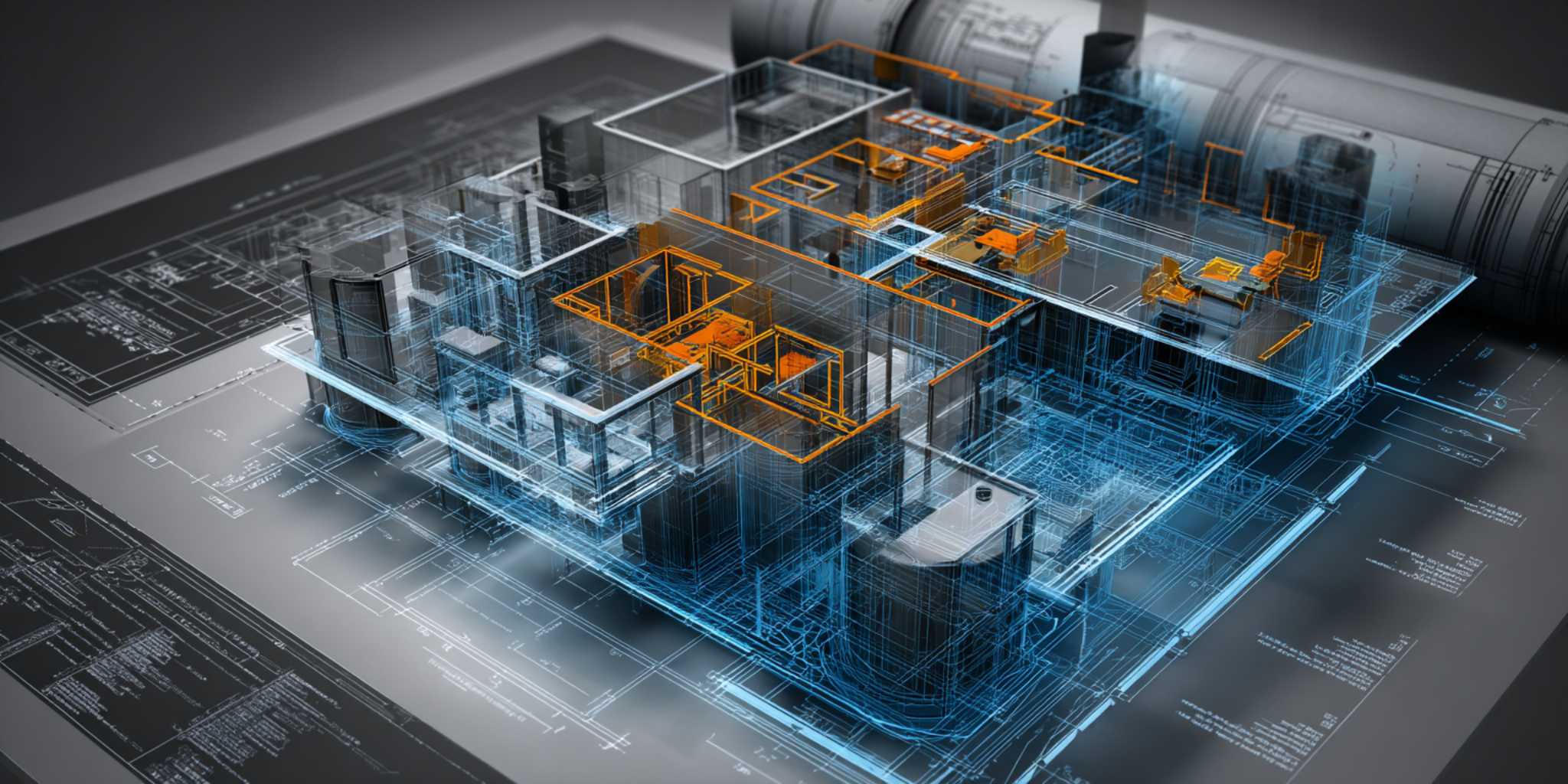
AI-assisted generative design tools can produce thousands of spatial configurations in minutes, each evaluated against structural, zoning, energy, and cost constraints the firm defines. Instead of iterating on one concept, designers can explore an entire solution space — arriving at the schematic phase with richer evidence for the directions they choose to pursue. Tools like Autodesk's Forma and emerging LLM-powered plugins for Rhino and Revit are already making this accessible at the project level, not just in research labs.
Documentation and Code Compliance: Eliminating the most tedious work
Construction documents and code compliance checks are among the most time-intensive and error-prone phases of any project. AI can now cross-reference drawing sets against IBC, ADA, and local fire codes in real time, flagging conflicts before they become problems on the jobsite. Firms automating this layer are reporting significant reductions in late-stage revision cycles. The downstream effect: more budget and attention available for design quality and client relationship work.
Client Communication: Closing the visualization gap
Real-time rendering powered by AI diffusion models is collapsing the gap between a sketch hand a photorealistic image. Clients no longer need to suspend disbelief at early design reviews. They can respond to spaces that look and feel inhabited. This isn't just a presentation upgrade; it changes the nature of client feedback and accelerates alignment, often cutting the number of schematic design rounds in half.
Project Intelligence: Turning firm knowledge into a competitive asset
Most architecture firms are sitting on a decade of project data — budgets, schedules, RFI logs, change order patterns — that has never been systematically analyzed. AI can surface that knowledge: predicting where cost overruns tend to emerge for a given building type, which consultant combinations perform best, and what scope items clients consistently add in later phases. Firms that build this institutional intelligence layer will carry a structural advantage into every proposal they write.
The firms navigating this transition well aren't treating AI as a department initiative or a single software subscription. They're embedding it incrementally as one workflow at a time, while preserving the judgment, intuition, and client trust that technology cannot replicate. That balance, applied consistently, is what will define the leading practices of the next decade.